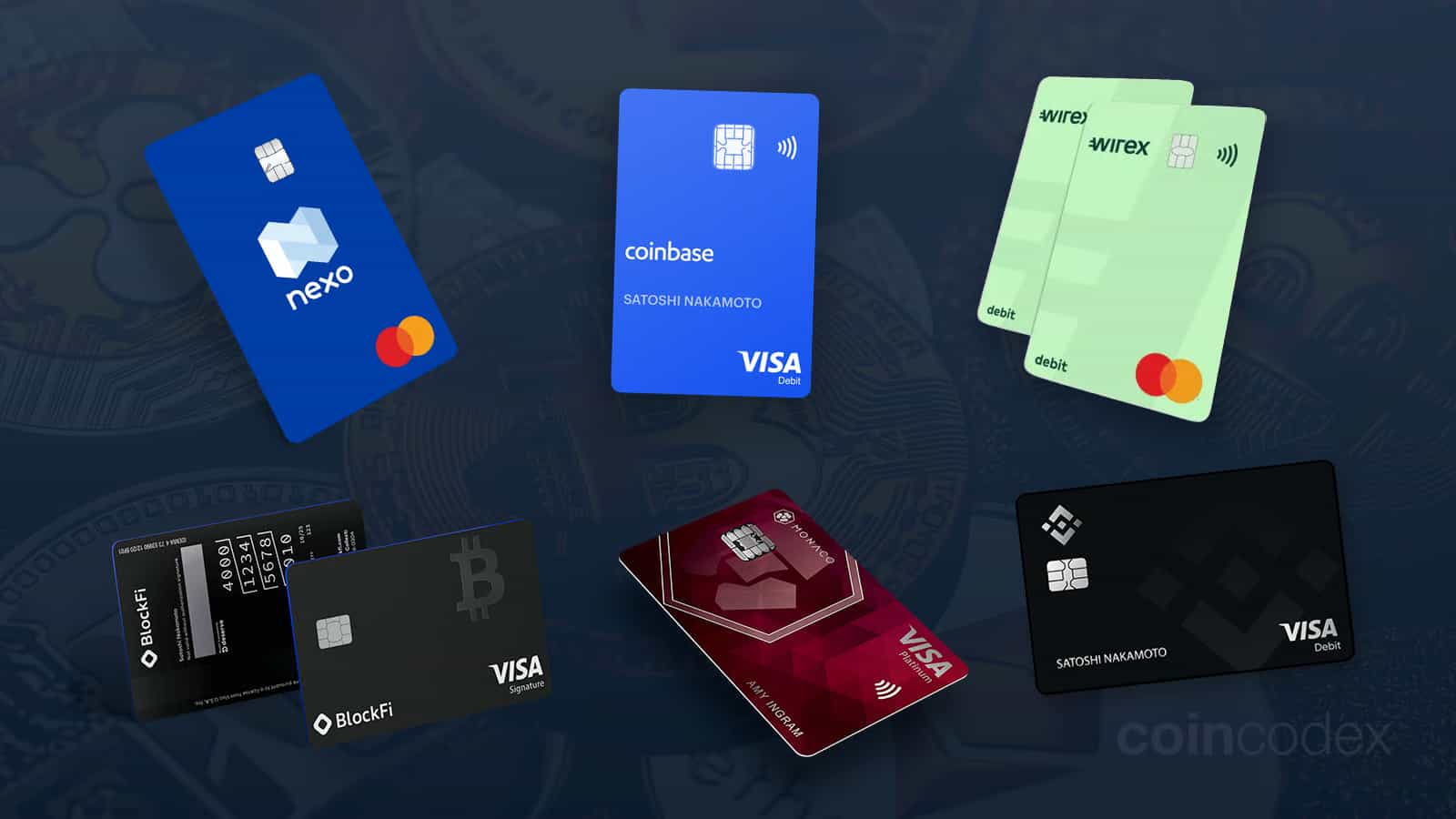
Crypto debit cards promise something many Bitcoin holders have wanted for years: the ability to spend crypto as easily as cash. In 2026, that promise is much closer to reality because many cards now run on Visa or Mastercard networks, which means they are accepted by the vast majority of merchants that take traditional card payments. CoinLedger explains that crypto debit cards work by converting your cryptocurrency into fiat currency at the point of sale, allowing real-world purchases through ordinary payment rails.
That said, not every card is equally useful. Some are true debit or prepaid cards funded by your own crypto balance, while others marketed as “crypto cards” are actually credit cards that earn crypto rewards rather than spending Bitcoin directly. Coin Bureau’s 2026 comparison makes this distinction clear, separating true credit cards like Gemini Credit Card and Coinbase One Card from prepaid or crypto-backed products such as Crypto.com Visa and Nexo Card. For people who specifically want to spend Bitcoin anywhere, the best card is usually the one with broad network acceptance, clear conversion costs, reasonable limits, solid app controls, and availability in their region.
How crypto debit cards work
A crypto debit card acts like a bridge between your digital assets and the fiat payment system. You load the card, or fund the account behind it, using cryptocurrency such as Bitcoin, Ethereum, or stablecoins. When you make a purchase, the provider automatically converts enough crypto into local currency and settles the payment with the merchant. CoinLedger describes the process in two steps: load the card with crypto, then let the card convert it to fiat at checkout.
This is why these cards can work almost anywhere traditional cards are accepted. The merchant does not need to handle Bitcoin directly. They simply receive fiat over Visa or Mastercard rails, while the crypto conversion happens behind the scenes through the issuing platform. CoinGape’s 2026 guide similarly says crypto cards operate like ordinary Visa or Mastercard products and convert crypto into fiat instantly at the time of spending.
The main trade-off is that spending crypto is usually a taxable event. CoinLedger notes that when crypto is converted to fiat for a purchase, you may trigger a capital gain or loss depending on how the asset’s value changed since you acquired it. For that reason, some users prefer funding these cards with stablecoins rather than volatile assets like Bitcoin.
What makes a crypto debit card good
The best crypto debit card is not always the one with the highest advertised cashback. CoinGape stresses that real-world value depends on fees, spreads, caps, staking requirements, and usability after signup, not just on marketing claims. A card offering high cashback can still be disappointing if conversion fees, FX markups, token lockups, or spending restrictions erode the value.
For Bitcoin spenders, the most important factors are:
- Global card network acceptance.
- Low conversion and FX costs.
- Easy funding from exchange or wallet balances.
- Security controls such as card freeze, alerts, and 2FA.
- Reasonable spending and ATM limits.
- Broad regional availability.
Convenience also matters. CoinLedger points out that existing users of an exchange often find it easiest to choose the matching card because setup, funding, and support are already integrated into one account. In practice, this helps explain why Coinbase Card, Crypto.com Visa Card, BitPay Card, Bybit Card, and Wirex continue to appear in major 2026 comparisons.
Coinbase Card
Coinbase Card remains one of the strongest options for people who already hold Bitcoin on Coinbase and want straightforward spend-and-earn functionality. CoinGape describes it as a Visa prepaid card funded directly from a Coinbase balance, with no annual fee, no monthly fee, no inactivity fee, and no foreign transaction fee listed. It also says the card is available in the United States except Hawaii, requires full KYC, and lets users choose supported assets for spending.
One of Coinbase Card’s biggest advantages is integration. If Coinbase is already your main exchange, the card becomes a natural extension of your account rather than a separate financial product you need to manage. CoinLedger also highlights Coinbase Card’s security features, including two-factor authentication, account freezing, and PIN changes from the mobile app.
The main drawback is cost visibility around conversion. CoinGape says there is no stated fee for crypto conversion, but a spread applies, which means the effective cost can still be meaningful. It also notes that rewards are promotional and variable rather than permanently fixed, so users should not assume a stable long-term cashback rate.
Crypto.com Visa Card
Crypto.com Visa Card is one of the most globally recognized crypto spending products. Coin Bureau’s 2026 comparison says it is a prepaid card available across multiple regions and tied to the Crypto.com ecosystem, while CoinGape notes availability in the U.S., UK, EU, Canada, and parts of APAC, depending on local conditions. Because it runs on Visa, it can be used broadly where Visa is accepted.
The card is attractive for users who want more than simple spending. CoinGape says higher tiers can offer up to 5% cashback in CRO, subscription rebates, and lounge perks, though these benefits generally require CRO lockup or a subscription. That makes it appealing for heavy ecosystem users but less ideal for casual Bitcoin spenders who do not want tier complexity.
There are also fee caveats. Coin Bureau notes that higher rewards often depend on tiers or staking commitments, and CoinGape adds that lower tiers may face FX fees in some regions and numerous reward exclusions. So while Crypto.com has excellent reach and a polished app, its real value depends heavily on how committed you are to the platform.
BitPay Card
BitPay Card is a simpler option built around basic crypto-to-fiat spending. CoinGape describes it as a prepaid Mastercard that lets users convert crypto to USD in the BitPay app, load the card, and then spend like a normal prepaid debit card. It emphasizes that the product has no annual or monthly fee and follows a more traditional load-and-spend model without staking, borrowing, or loyalty tiers.
This simplicity is BitPay’s biggest strength. It is a good fit for users who want Bitcoin spending without locking tokens, managing reward tiers, or navigating a large exchange ecosystem. CoinGape says it is best suited to U.S.-based users prioritizing simplicity over rewards.
The downside is that BitPay is less attractive for frequent international spenders or rewards maximizers. CoinGape notes FX-related costs and says new applications were temporarily paused while the company updated the program, which also matters if someone wants immediate access.
Wirex Card
Wirex remains one of the more established multi-currency crypto card brands. CoinGape describes the Wirex Debit Card as a Visa or Mastercard product depending on region, linked to a Wirex account that combines fiat and crypto balances. Its main selling point is a unified wallet environment and the ability to spend through familiar card rails while managing both traditional and digital currencies in one app.
Wirex can be attractive for users who want a global-feeling spending product with broad wallet functionality. CoinGape says it offers no direct FX fee on card spending and includes monthly ATM allowances depending on region and plan.
However, Wirex is not the cleanest option for beginners. The same review notes that rewards depend on subscription plans and WXT token lockups, with the highest cashback rates requiring very large commitments. That means Wirex works better for active platform users than for someone who simply wants the easiest way to spend Bitcoin anywhere.
Bybit Card
Bybit Card has become increasingly relevant in regions outside the United States. CoinGape describes it as a prepaid Mastercard linked to a Bybit account, supporting assets such as USDT, USDC, BTC, ETH, XRP, TON, and MNT, with automatic conversion to fiat at checkout through One-Click Sell. It also notes support for Apple Pay and Google Pay in compatible regions.
Its appeal is strongest for users already active on Bybit. The card offers direct integration with exchange balances, and in some eligible regions it can provide cashback paid in USDT. CoinGape says rewards can range from 2% to 10% by VIP level outside the EEA, though the standard user experience is more realistically in the lower range.
The biggest issue is regional inconsistency. CoinGape repeatedly emphasizes that issuer structure, fees, rewards, ATM access, and FX costs vary significantly by country. That means Bybit Card can be very good in the right market, but it is not the most predictable option globally.
Other notable options
A few other cards deserve mention. CoinGape includes Gnosis Pay, Zypto, and COCA among newer or more specialized options, with Gnosis Pay especially interesting for self-custody users because it is tied to a Safe wallet on Gnosis Chain and spends stablecoins directly with no FX markup from the issuer. That makes it appealing to Web3-native users who prioritize control over custodial convenience.
Coin Bureau also highlights Nexo Card for selected European users, describing it as a collateral-backed hybrid rather than a simple debit card. This model can be useful for people who want spending power without selling assets, but it is less straightforward than a normal prepaid crypto card and requires comfort with collateral and loan-to-value mechanics.
These alternatives show that the category is broadening. Still, for most people who simply want to spend Bitcoin broadly, mainstream cards with straightforward Visa or Mastercard acceptance remain the easiest fit.
Fees, taxes, and the hidden costs
One of the most important things to understand about crypto debit cards is that “accepted anywhere” does not mean “cost-efficient everywhere.” CoinLedger says users should review liquidation, foreign transaction, and withdrawal fees before getting started, and it also notes that every purchase may create a taxable event because crypto is being disposed of at the time of spending.
CoinGape expands on this by warning that hidden costs often come from FX spreads, conversion fees, ATM charges, token lockups, and reward caps. A headline cashback rate can look generous, but real-world returns may be lower once spreads and regional fees are factored in.
This is why stablecoin spending has become more popular. CoinLedger specifically says that using stablecoins can minimize capital gains impact because they are designed to stay close to the U.S. dollar. For users who want the convenience of a crypto card without turning every coffee purchase into a volatile Bitcoin tax event, that can be a smarter funding method.
Which card is best?
For most U.S.-based users already inside a large exchange ecosystem, Coinbase Card is one of the strongest all-around answers because it combines broad Visa acceptance, easy setup, solid security features, and deep Coinbase integration. CoinLedger and CoinGape both make it clear that convenience is a major part of its value.
For international users who want broad availability and a mature app ecosystem, Crypto.com Visa Card is one of the biggest names, but it is best for people comfortable with tiered rewards and possible CRO-related commitments. For pure simplicity, BitPay remains appealing in the U.S. For active exchange users outside the U.S., Bybit Card can be strong in the right market, while Wirex fits people who want an all-in-one fiat and crypto wallet experience.
The best crypto debit card, then, depends less on branding than on use case. If your goal is simply to spend Bitcoin anywhere traditional cards are accepted, the most practical picks are usually cards backed by major card networks, funded from trusted platforms, and transparent enough that fees, rewards, and tax implications do not cancel out the convenience.